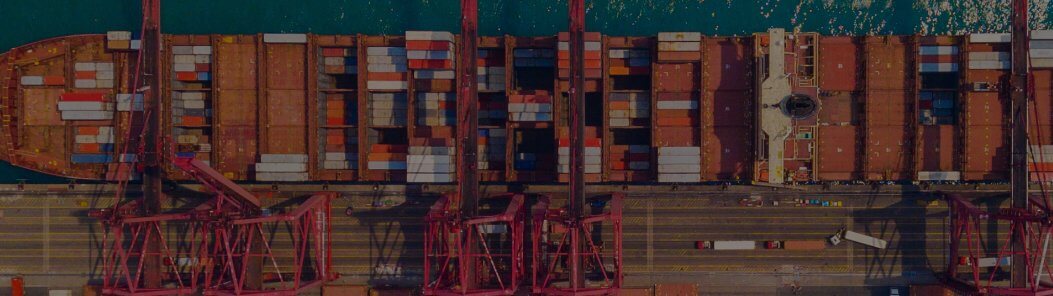
The Commission estimates that 280 million tons of CO2 will need to be captured to meet the ambitious 90 % greenhouse gas emission reduction target in 2040. The ports, and the maritime sector will be an integral part of transporting CO2 in CCS processes.
Fuel/Energy Type: All
NYK to Recover Emissions from Car Carriers at Berth in California
NYK concluded an agreement with STAX Engineering Pty Ltd. (STAX), a U.S. company leading in maritime emissions capture and control, to use its emissions capture and control technology to recover exhaust gases from ships.
Exclusive: EU wants fossil fuel sector to help pay to combat climate change, draft shows
The European Union is set to call for the fossil fuel industry to help pay for fighting climate change in poorer countries under a United Nations target, a draft document shows, as nations prepare for talks this year on a global finance goal.
Can shipping hit IMO decarbonisation checkpoints?
Support for the IMO’s decarbonisation checkpoints and ambitions at 2030, 2040, and 2050 was unanimous at CMA Shipping 2024, but attendees were divided on whether the shipping industry could hit its marks.
UBS’s Credit Suisse Takeover Came With a CO2 Headache
Among the many headaches UBS Group AG inherited when it swallowed its crosstown rival was one tied to Credit Suisse’s multibillion-dollar shipping portfolio.
Three rival camps pitch up at key IMO decarbonisation meeting
All eyes turn to a trio of ideas as the Marine Environment Protection Committee meets in London.
Concept Study to Offload Onboard Captured CO2 Key Findings and Executive Summary
The successful downstream integration of onboard captured CO2
in the carbon value chain hinges on the ability to capture, store
and offload industry-acceptable CO2 ashore.
Fossil fuel majors miss the mark on climate targets
Nearly a decade after the Paris Agreement, the world’s biggest oil and gas companies, including BP and Saudi Aramco, are far from meeting the 1.5°C global warming limit. And they’re making plans to expand.
Landmark study on offloading onboard captured carbon dioxide identifies low port readiness as key barrier to large-scale commercialisation
A recent study commissioned by the Global Centre for Maritime Decarbonisation (GCMD), in collaboration with Lloyd’s Register and ARUP, has identified low port readiness as a major hurdle bottlenecking the adoption of Onboard Carbon Capture and Storage (OCCS) system as a practicable decarbonisation solution.
Training seafarers to use green fuels could cost shipping a billion dollars
Some 800,000 seafarers will need to be ”upskilled” to handle new fuels currently being developed as part of shipping’s decarbonisation journey.